Skip to content
Windage Partners | Team. Trust. Results.

CENTCOM forms task force to speed delivery of drones, tech to troops

U.S. Central Command announced a new task force Tuesday that it hopes will speed up and simplify the process of equipping units with combat-ready technology.

The new organization, the Rapid Employment Joint Task Force, will be led by CENTCOM’s chief technology officer, Joy Shanaberger, and will focus on synthesizing logistics for capability, software and tech diplomacy.

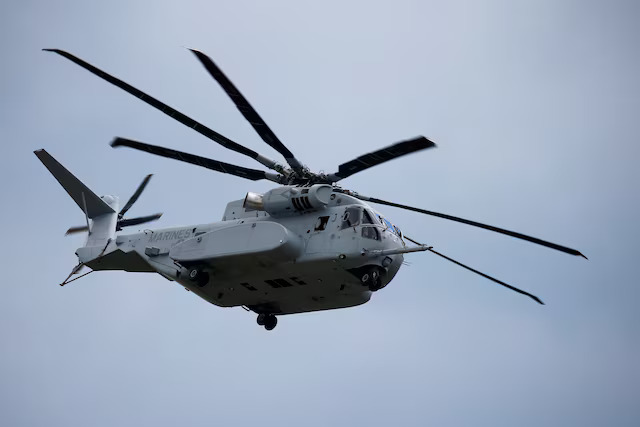
Lockheed Martin’s Sikorsky secures about $11 billion US navy contract

Lockheed Martin said on Friday its subsidiary, Sikorsky, has secured a nearly $11 billion contract from the U.S. Navy to build up to 99 CH-53K King Stallion helicopters.
It is the largest order to date for the aircraft, the defense company said. The helicopter, which has three 7,500 shaft horsepower engines, is used to help transport troops, supplies and heavy equipment.
The five-year contract will allow the U.S. government to buy up to 99 CH-53K aircraft for the Marine Corps or to fulfill orders from international military customers.

A&D has a $75 billion inventory problem

Ever feel like your inventory has been out of control over the past few years? You’re not alone.

The industry has bulked up on production capacity, supplies, and labor as the commercial airliner backlog has flown past 16,000 jets, only to be hamstrung by supply chain and operational challenges that have bloated warehouses and balance sheets.

Warning signs have been building for years. Inventory performance had been deteriorating even before the 737 MAX grounding and the post-pandemic breakdown of global supply chains.

Problems have visibly worsened, from “gliders” waiting for engines to rows of completed fuselages ready to enter final assembly when the parts arrive—and the challenges run deeper than those visible on the tarmac. Data shows escalating levels across raw materials, work-in-process, and finished goods alike.

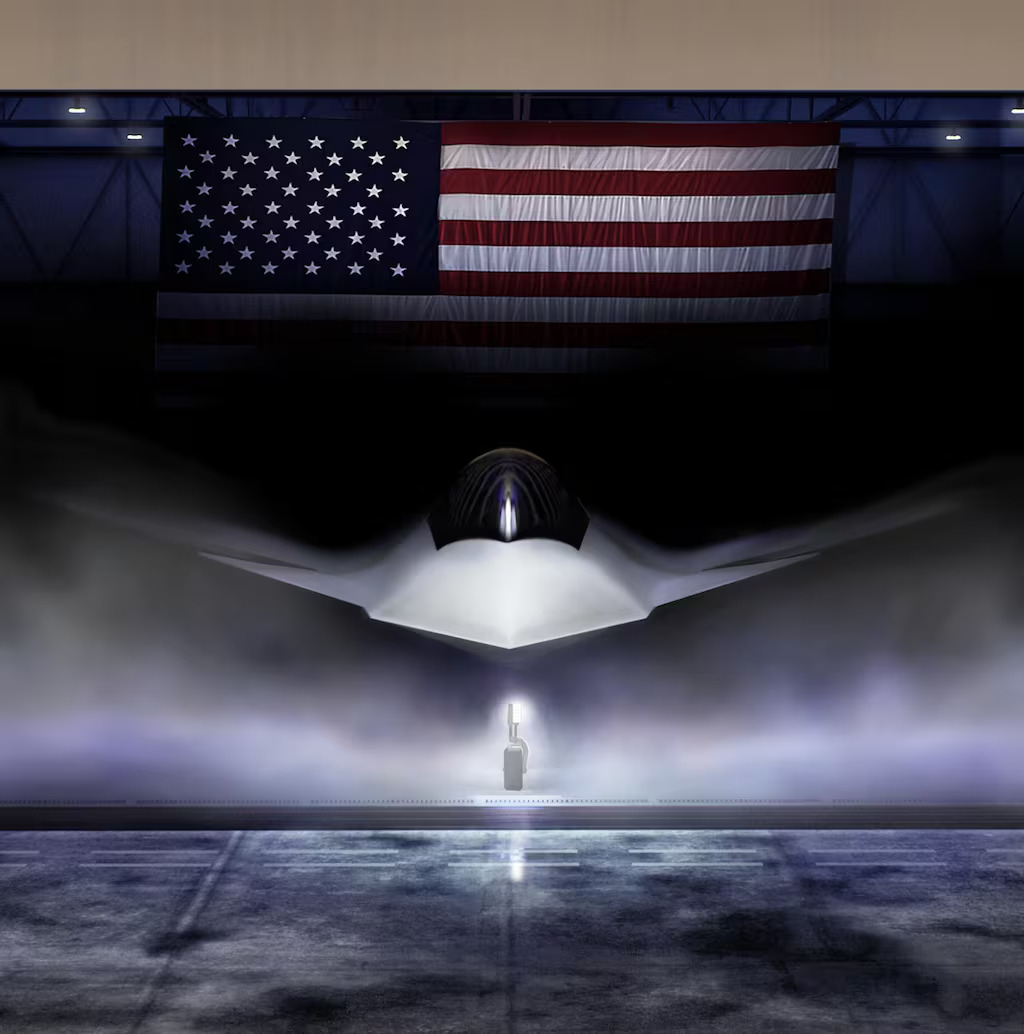
First F-47 now being built, will fly in 2028: US Air Force chief

The Air Force’s first F-47 fighter is now being built by Boeing, and the advanced jet is expected to have its initial flight in 2028, Chief of Staff Gen. David Allvin said Monday.

Allvin, speaking at the Air and Space Forces’ Air, Space and Cyber Conference, said that Boeing’s team worked quickly to start manufacturing the sixth-generation fighter after their selection was announced in March.

US reinterprets arms control pact to ease military drone exports

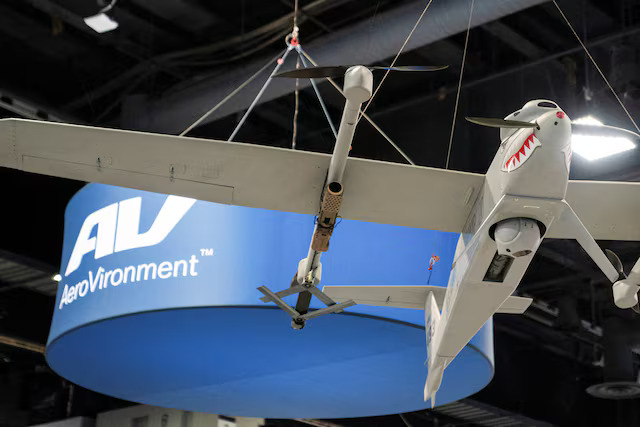
The United States can export “Reaper”-style and other advanced military drones more easily following a reinterpretation of its export control policies approved by Secretary of State Marco Rubio, the State Department announced on Monday.
Drones will now be treated like fighter jets, such as the F-16, rather than missile systems, allowing the U.S. to sidestep the 35-nation Missile Technology Control Regime agreement it signed in 1987 and enabling drone sales to countries like the UAE and Eastern European nations that have struggled to acquire America’s best unmanned aerial vehicles.

Small US defense stocks soar on rush for next-gen battlefield tech

Smaller U.S. defense firms have emerged as standout performers on Wall Street this year, fueled by surging demand for low-cost, next-generation military tech tailored for modern warfare and the Pentagon’s pivot toward agile and adaptable combat systems.
Wars in Ukraine and Gaza have spurred a rise in military spending across the globe, lifting defense stocks and drawing investors to smaller firms specializing in AI-powered drones and unmanned vehicles that are cheap, easily deployable and help cut dependence on ground troops.

Turning Defense Reform Into Battlefield Advantage

In Washington, it is easy to believe that the passage of legislation marks the finish line. In reality, it is only the starting gun. The SPEED and FORGED Acts are important steps forward in fixing the Department of Defense’s sluggish acquisition system, but without fundamental cultural and organizational change, they risk being remembered as well-intentioned but toothless reforms.

AI-Powered Drone Swarms Have Now Entered the Battlefield

On a recent evening, a trio of Ukrainian drones flew under the cover of darkness to a Russian position and decided among themselves exactly when to strike.

The assault was an example of how Ukraine is using artificial intelligence to allow groups of drones to coordinate with each other to attack Russian positions, an innovative technology that heralds the future of battle.

Military experts say the so-called swarm technology represents the next frontier for drone warfare because of its potential to allow tens or even thousands of drones—or swarms—to be deployed at once to overwhelm the defenses of a target, be that a city or an individual military asset.

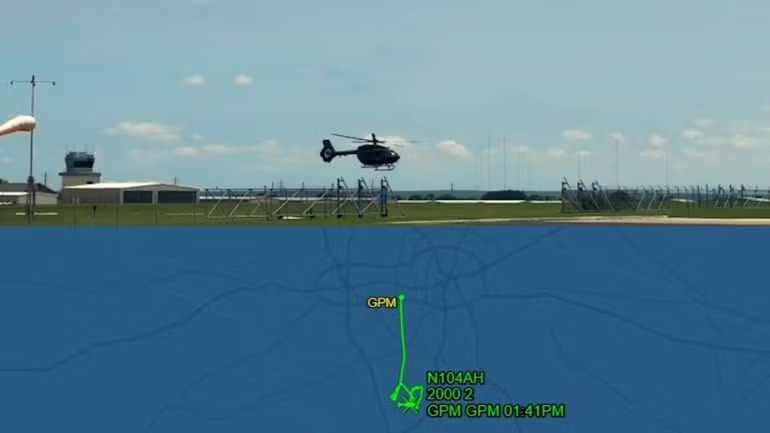
Airbus achieves autonomous helicopter flight using Shield AI tech

Airbus US Space & Defense has conducted an autonomous flight of the H145 helicopter, employing Shield AI’s Hivemind autonomy software in Grand Prairie, Texas.

The H145 helicopter executed the flight solely under the guidance of Shield AI’s Hivemind, which interfaced with Airbus’ Helionix system to control the mission.

The aircraft completed an automated take-off, landing, and navigated through various test maneuvers without pilot intervention, demonstrating the software’s capability.

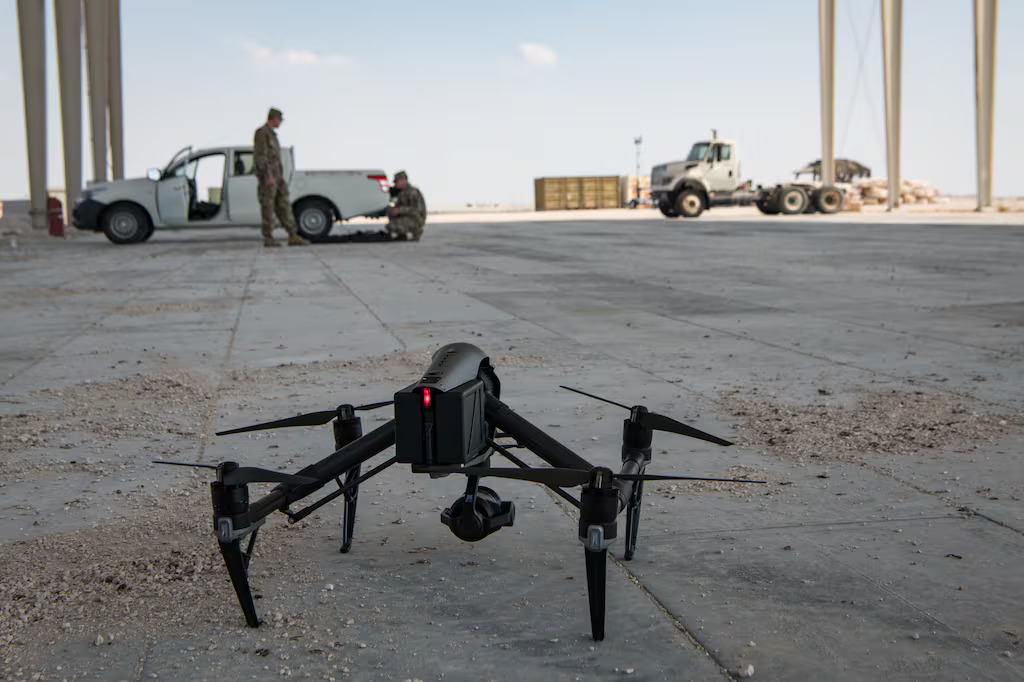
Pentagon readies new battery strategy amid growing drone demands

Military use of drones for air, land, and sea is booming—and so is the need to power them. So the Pentagon is working on a strategy for how it sources and buys batteries—including the critical minerals they require—which officials expect to release in 2026.

This strategy will be an update to a 2023 lithium-ion battery strategy published “that laid out the groundwork for how we were going to address battery challenges in the department,” including working with other government agencies, allies, and partners, Eric Shields, the senior battery advisor in the Pentagon’s industrial base policy office, told reporters Friday.